
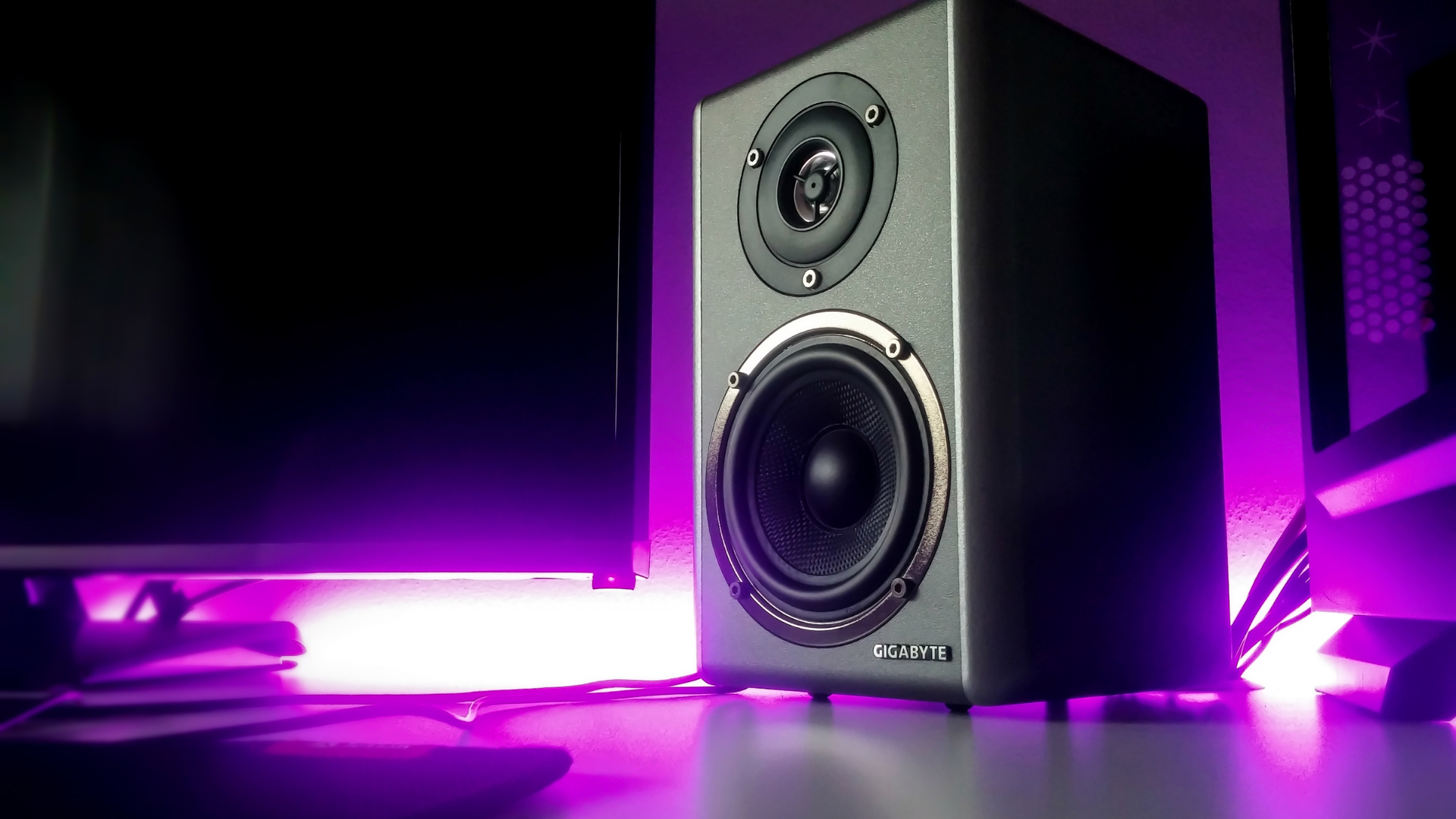
Smart speakers have transformed how people interact with technology in their homes. Equipped with advanced voice assistants like Alexa, Google Assistant, and Siri, these devices not only play music and provide updates but also control smart home devices with ease. The top smart speakers combine functionality, sound quality, and ecosystem compatibility, making them essential companions in modern living.
As more households incorporate smart home technology, the demand for reliable and versatile smart speakers has grown. These devices serve as central hubs for controlling lights, thermostats, and security systems, enhancing convenience and efficiency. Consumers can choose from a range of options, each offering unique features and integration capabilities.
When selecting a smart speaker, it’s crucial to consider voice assistant preferences, sound performance, and compatibility with existing smart devices. Understanding these factors will help in making an informed choice that suits individual needs. Exploring the top contenders in the market reveals the best options tailored to enhance any smart home experience.
The Evolution of Smart Speakers
The transformation of smart speakers has shifted from a novel gadget to an essential component of modern homes. This section explores the progression, technological advancements, and how these devices influence everyday life.
From Novelty to Necessity
Initially introduced as innovative devices, smart speakers gained attention for their ability to play music and answer basic queries. The launch of Amazon’s Echo in 2014 marked a significant turning point. It popularised the use of voice-activated assistants like Alexa, enabling users to control music streaming and request information hands-free.
Subsequent entries, such as Google Home and Apple’s HomePod, further enhanced functionality. They integrated seamlessly with other smart.
Top Smart Speakers on the Market
The smart speaker market features a variety of options tailored to different user needs, from budget-friendly models to premium systems. Key players include Amazon, Google, Apple, and Sonos, each offering unique features and capabilities.
Amazon Echo Range
The Amazon Echo range is versatile and popular for its extensive features. The Echo Dot is ideal for those seeking an affordable entry-level option, delivering strong sound quality in a compact design. The Amazon Echo provides richer audio and serves as a central hub for smart home devices.
For users desiring premium acoustic performance, the Echo Studio boasts Dolby Atmos technology and a high-fidelity audio experience. This series is compatible with Alexa, allowing for voice-controlled music playback, smart home integration, and access to various skills. The range consistently receives updates, enhancing functionality and compatibility.
Google Nest Devices
Google Nest devices offer seamless integration with the Google ecosystem. The Google Nest Mini is a compact speaker that delivers impressive sound quality, while the Google Nest Audio is designed for those who prioritise audio performance.
These speakers support Google Assistant for voice commands and control of compatible smart home devices. Users benefit from features like multi-room audio and personalised responses based on individual preferences. Google Nest devices also focus on environmental sound adjustments, enhancing the listening experience in various conditions.
Apple HomePod Series
Apple’s HomePod series caters to users deeply integrated into the Apple ecosystem. The HomePod Mini offers a compact, stylish design while still delivering immersive sound. Its ability to connect seamlessly with other Apple devices and services makes it an attractive choice for Apple enthusiasts.
The original HomePod provides a premium audio experience with advanced sound technology, making it suitable for music lovers. Both models use Siri for voice control and support features like intercom messaging. These speakers prioritise privacy, ensuring users’ data is protected.
Sonos Speaker Systems
Sonos speaker systems are known for their superior sound quality and versatility. The Sonos Era 100 and Sonos Era 300 provide rich audio experiences and can be integrated into multi-room setups. These speakers support various streaming services, providing extensive music options.
Sonos devices can be controlled via voice or app, allowing for easy management of playlists and smart home features. The brand is particularly favoured for its premium sound quality, catering to audiophiles. Additionally, Sonos focuses on ease of setup and use, making them accessible to all users.
Key Features and Connectivity Options
Smart speakers offer a variety of features and connectivity options that enhance user experience. Key aspects include voice command integration, compatibility with smart home systems, audio performance, and advanced smart features.
Voice Command Integration
Voice command integration is central to smart speakers. They use natural language processing to recognise and respond to user commands. Popular systems like Amazon Alexa and Google Assistant allow users to control devices, play music, and access information hands-free.
Many devices support voice control for phone calls, making communication effortless. Users can engage in multi-room setups, enabling voice commands across different speakers. This feature enhances convenience, allowing for seamless interaction with multiple devices in a home environment.
Compatibility with Smart Home Ecosystems
Smart speakers serve as vital components in smart home ecosystems. They often act as hubs, connecting various devices using protocols like Zigbee and Matter. Zigbee compatibility allows integration with a wide range of devices, from smart bulbs to sensors.
Additionally, many speakers support Apple’s HomeKit, ensuring easy management of devices for users in that ecosystem. This compatibility makes it simple for users to control everything from lights to thermostats from a single interface.
Audio Performance
Audio performance is crucial for smart speakers, particularly for users who prioritise sound quality. Many models feature advanced technologies such as Dolby Atmos, which enhances the immersive quality of audio playback.
Rich bass and clear treble are important for a balanced listening experience. Some models support wireless audio protocols such as AirPlay 2 and Chromecast, allowing users to stream music directly from their devices. This versatility ensures high-quality sound in any environment.
Smart Features
Smart features extend the functionality of smart speakers beyond basic playback. Some models offer touchscreens, transforming them into smart displays. This enables users to view visual content alongside voice interaction.
Additional features may include multi-room audio, allowing simultaneous playback in different areas. These devices often have built-in streaming services, making it easy to access music and podcasts. The integration of voice control with rich multimedia capabilities enhances the overall user experience, ensuring these devices cater to various needs.
Setting Up Your Smart Speaker
Setting up a smart speaker involves several key processes, including getting started with the device, connecting it to other devices, and customising settings to fit personal preferences. Each step ensures that the smart speaker functions effectively within a smart home ecosystem.
Getting Started with Your Device
To begin using a smart speaker, unpack the device and plug it into a power source using a USB-C cable. Most models come with an accompanying mobile app required for initial setup. Download the app on a compatible smartphone, create an account, or sign in if you already have one.
Follow the in-app instructions to connect the speaker to your Wi-Fi network. This process may involve voice commands to confirm connectivity or to select the desired network. After connecting, the speaker will often run updates, which is essential for accessing the latest features. Familiarity with voice commands can enhance the overall experience, allowing users to control their devices effortlessly.
Connecting to Other Devices
Integrating a smart speaker into a smart home setup requires connecting it to various devices and services. Users can link streaming services like Apple Music, Spotify Premium, Amazon Music HD, and YouTube Music for seamless audio playback. In-app settings usually provide options for adding these services.
For enhanced functionality, connect devices such as smart security cameras and smart soundbars. Compatibility varies by speaker brand. For example, linking with Amazon Fire TV or Apple TV enables control of video playback through voice commands. Routines can also be set up for automated task execution, such as adjusting lighting or controlling temperature sensors when the speaker detects a specific command.
Customisable Settings
Customisable settings allow users to tailor the smart speaker to their preferences. Users can adjust voice settings, including response volume and speech speed, to enhance their interaction. Privacy settings are vital; many devices offer options to delete voice recordings and manage data.
For families, features such as parental controls can be activated, restricting access to certain content or functionalities for children. Users should explore options for connecting their favourite podcasts and audiobooks, ensuring that the device caters to varied listening needs. Regularly reviewing and adjusting settings can enhance user experience and smart home integration.