
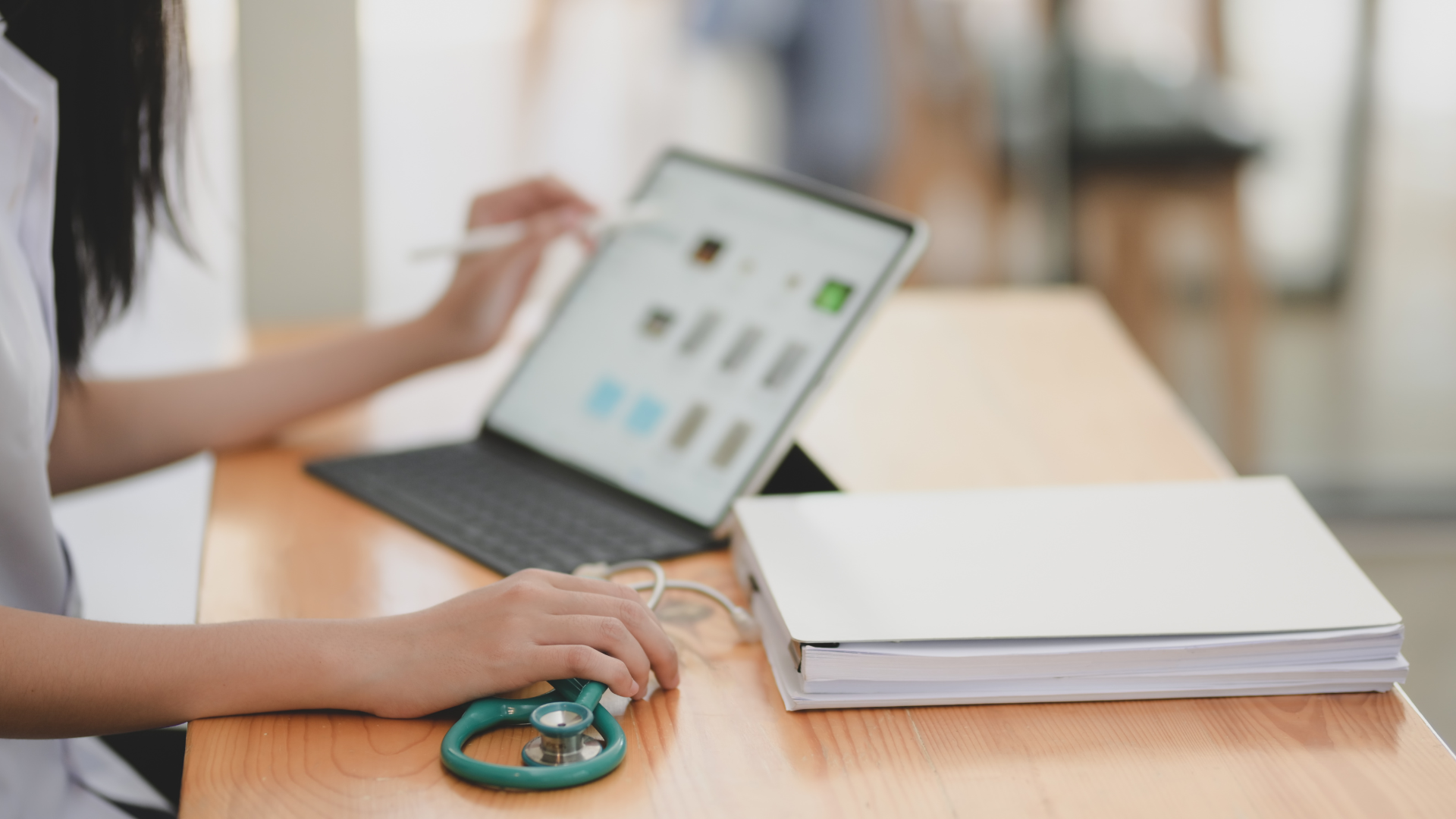
The healthcare landscape is rapidly evolving, with telehealth apps at the forefront of this transformation. These platforms are reshaping how patients access medical care, offering convenience and efficiency that traditional healthcare delivery methods often lack. The rise of telehealth apps has significantly improved patient experience by providing timely consultations and reducing travel barriers.
As more individuals embrace technology, the demand for remote healthcare solutions has grown. Telehealth applications not only facilitate virtual appointments but also enable continuous patient monitoring and instant access to medical advice. This shift is particularly beneficial for those with chronic conditions who require regular check-ups without the strain of frequent hospital visits.
The integration of telehealth into everyday life has made healthcare more accessible than ever. Patients can now manage their health more proactively while maintaining communication with their healthcare providers. This innovation represents a critical step towards a more inclusive and patient-centred approach in the healthcare system.
Evolution of Telehealth
Telehealth has undergone a significant transformation, driven by advancements in technology and changing healthcare needs. The transition from traditional telemedicine to innovative mobile health (mHealth) applications marks a pivotal shift. The COVID-19 pandemic further accelerated the adoption of these solutions, reshaping patient-provider interactions.
From Telemedicine to Mobile Health (mHealth)
Telemedicine originated in the 1960s, primarily utilising video calls for remote consultations. Initially focused on providing care to patients in rural or underserved areas, it laid the groundwork for broader telehealth applications.
With the advent of smartphones, the concept evolved into mobile health (mHealth). This encompasses a variety of technologies, including apps and wearable devices. mHealth applications allow patients to monitor their health, access medical records, and communicate with healthcare providers seamlessly.
MHealth’s rise is characterised by user-friendly interfaces and personalised care plans. Patients now have greater control over their health and can receive timely interventions, enhancing overall health outcomes.
Impact of COVID-19 on Telehealth Adoption
The COVID-19 pandemic dramatically transformed healthcare delivery. Social distancing measures forced many healthcare providers to pivot to telehealth solutions rapidly. Virtual consultations became a necessity, leading to a massive increase in telehealth usage.
Regulatory changes facilitated this shift, with many countries relaxing restrictions around telehealth services. Patients experienced the convenience of remote consultations, and healthcare providers adapted to digital platforms swiftly.
Studies indicate that telehealth adoption surged by over 150% during the peak of the pandemic. This trend established a new norm, with an increasing number of patients now preferring telehealth options for routine care. The pandemic not only legitimised telehealth but also expanded its acceptance within the healthcare system.
Technology in Telehealth
Recent innovations have transformed telehealth, making healthcare more accessible and efficient. Key advancements in technology, such as remote monitoring tools, artificial intelligence, and 5G connectivity, play significant roles in shaping modern telehealth services.
Advancements in Remote Monitoring Tools
Remote monitoring tools have seen substantial progress, providing continuous health data collection. Wearable devices, such as fitness trackers and smartwatches, enable patients to monitor vital signs like heart rate and blood pressure in real-time.
To support this level of precision in compact designs, many remote monitoring tools depend on miniature connectors for medical electronics. These components enable reliable power delivery and signal integrity within small-scale medical devices, ensuring accurate data transmission and consistent performance in portable healthcare technologies.
These devices sync with smartphone apps, allowing patients to share data directly with healthcare professionals. Moreover, this capability facilitates timely interventions and enhances patient engagement.
Additionally, remote patient monitoring (RPM) systems help providers track patients with chronic conditions. Such tools can alert medical teams to potential issues, reducing hospital visits and improving patient outcomes.
Technology alone does not guarantee that patients can fully benefit from remote monitoring; many need assistance coordinating devices, relaying data to clinicians, and understanding coverage options. Experienced advocates can bridge these gaps by helping set up telehealth tools, translating RPM data into actionable questions for care teams, and navigating benefits.
For readers wondering about payment, see who pays for a patient advocate to learn common coverage pathways like Medicare and Medicare Advantage. This practical support helps ensure that remote monitoring translates into timely interventions and better long-term outcomes.
Integration of Artificial Intelligence
Artificial Intelligence (AI) has become integral to telehealth, enhancing diagnostics and personalising patient care. AI algorithms analyse patient data, identifying patterns that may be overlooked by human practitioners.
Chatbots and virtual assistants are also employed to provide immediate responses to patient inquiries, improving accessibility. These AI-driven solutions can triage medical concerns, determining the urgency of care required, which streamlines the patient experience.
Moreover, AI supports decision-making by offering evidence-based recommendations and helping physicians make informed treatment choices. This technology can reduce human error and improve clinical efficiency.
Role of 5G Technology in Telehealth Services
5G technology promises to revolutionise telehealth by providing enhanced speed and connectivity. With data transfer rates up to 100 times faster than 4G, 5G enables high-quality video consultations without lag.
This technology also supports the simultaneous connection of multiple devices, facilitating comprehensive remote monitoring solutions. In turn, healthcare providers can access real-time data from numerous patients, improving their management capabilities.
5G paves the way for advanced telemedicine applications, such as remote surgeries and virtual reality treatments. The increased bandwidth offers the potential for more sophisticated telehealth services, ultimately leading to better patient care and outcomes.
Challenges and Considerations
Telehealth apps face several significant challenges that impact their effectiveness and user experience. Key areas of concern include data privacy and security, accessibility and digital literacy, and sustaining patient engagement and satisfaction.
Data Privacy and Security Concerns
Data privacy and security are critical for telehealth services. Patients often share sensitive information, making it necessary for apps to implement robust security measures.
Key issues include:
- Compliance with regulations: Adherence to laws such as GDPR ensures that personal data is handled appropriately.
- Data breaches: The risk of cyber-attacks can undermine patient confidence and lead to legal repercussions.
- User authentication: Effective verification processes are essential to protect against unauthorised access.
Providers must make cybersecurity a top priority, starting with strong measures like end-to-end encryption and regular security assessments. But going beyond the basics is key.
A truly effective approach to telehealth security also needs to be multi-layered. That means building security into the system from the very beginning, running thorough penetration tests to identify vulnerabilities, and staying up to date with evolving regulatory standards.
Safeguarding sensitive patient information and maintaining the integrity of connected medical devices requires more than general IT support; it calls for specialized expertise. Partnering with professionals in medical device cybersecurity can help cover all the bases, from secure design consulting to ongoing compliance management.
With the right support, healthcare providers can protect their digital systems while delivering safe and trusted care.
Accessibility and Digital Literacy
Accessibility remains a barrier for many potential users. Not everyone has equal access to the internet or compatible devices.
Factors to consider include:
- Technological barriers: In areas with poor internet connectivity, patients may struggle to access services.
- Digital literacy: Some demographics, particularly the elderly, may lack the skills necessary to use telehealth platforms effectively.
Training and support are essential to empower patients, ensuring they can navigate these technologies and benefit from available services.
Sustaining Patient Engagement and Satisfaction
Engaging patients in their care is vital for the success of telehealth apps. High levels of engagement can improve health outcomes and satisfaction.
Challenges that can affect engagement include:
- User experience: Complex interfaces can deter users. Apps must be intuitive and user-friendly.
- Regular updates and communication: Ongoing interaction through reminders and updates can foster a sense of connection.
Developers should seek user feedback to drive improvements, thereby enhancing the overall patient experience and satisfaction with the service.
Future of Telehealth
The future of telehealth is set to transform healthcare delivery through personalised care and an expansion into specialised and emergency services. This shift will promote greater access to quality healthcare while improving health outcomes for patients.
Personalised Care and Patient Education
Telehealth apps are increasingly leveraging data analytics to deliver personalised care. By analysing patient data, these platforms can tailor treatments and healthcare advice to individual needs. This approach not only enhances the patient experience but also improves compliance with treatment plans.
Patient education is another critical component. Telehealth apps can provide tailored information, empowering patients to manage their conditions more effectively. For instance, reminders for medication schedules or tailored educational content regarding a specific health issue ensure patients stay informed and engaged. All of these features, from personalized information to timely reminders, can be an important element of successful patient journey management, which can involve using digital tools to structure and support a patient’s entire care pathway. This can increase engagement and clinical results from diagnosis through recovery.
Expansion into Specialised and Emergency Care
The role of telehealth is expanding into specialised and emergency care, making healthcare more accessible. Patients can consult with specialists without the need for travel, reducing wait times and improving access to expert opinions.
In emergency situations, telehealth can facilitate immediate triage. Healthcare professionals can assess a patient’s condition through video consultations and determine appropriate interventions. This capability not only enhances response times but can also lead to better health outcomes by ensuring timely treatment.
The combination of personalised care and the expansion into diverse fields exemplifies the future potential of telehealth in revolutionising healthcare services.