
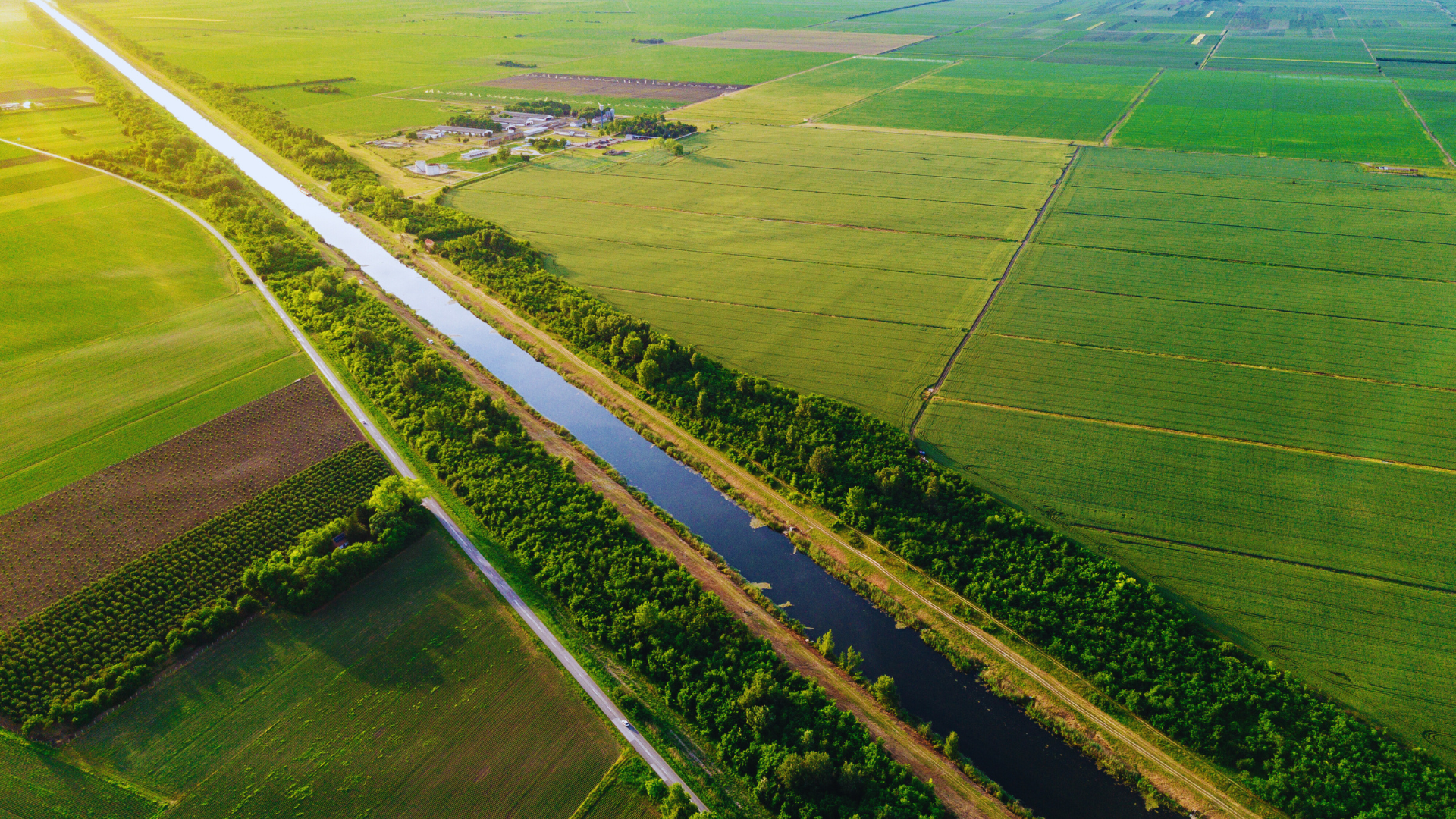
The integration of green technology is transforming sustainable farming practices across the globe. By utilising innovations such as precision agriculture, renewable energy, and organic waste recycling, farmers can enhance productivity while minimising their environmental impact. These advancements not only address food security but also promote stronger ecosystems and biodiversity.
As agriculture faces challenges like climate change and resource scarcity, sustainable farming methods become increasingly crucial. Green technology empowers farmers to reduce reliance on chemical inputs, conserve water, and improve soil health. This shift fosters a more resilient agricultural sector aligned with principles of environmental sustainability.
With rising consumer demand for environmentally friendly products, many farmers are adopting green technologies to meet market expectations. This evolution creates a symbiotic relationship between farming practices and ecological preservation, offering pathways to a more sustainable future for agriculture.
Sustainable Agriculture and Technology Integration
The integration of technology into sustainable agriculture plays a crucial role in enhancing productivity while conserving resources. Key innovations such as artificial intelligence, precision farming, drones, smart irrigation, and advanced sensors contribute to improved crop management and environmental protection.
The Intersection of AI and Farming
Artificial intelligence (AI) has transformed farming practices by enabling data-driven decision-making. By analysing vast amounts of data from various sources, AI can identify patterns and predict crop performance under different conditions. This technology enhances operational efficiency, reduces waste, and optimises resource usage, all essential for sustainable farming.
AI-powered tools assist farmers in understanding soil conditions and crop health. By integrating machine learning algorithms, farmers can make informed decisions about planting, fertilisation, and pest control, which aligns with sustainability goals.
Importance of Precision Agriculture
Precision agriculture utilises sophisticated technologies to monitor and manage field variability. It focuses on applying the right amount of inputs at the right time and location. This method conserves resources like water and fertilizers, minimising environmental impact while maximising yields.
Technologies such as GPS and remote sensing allow for the accurate mapping of fields. By employing precision farming tools, farmers can enhance soil and crop health, reduce input costs, and ensure better resilience against climate change challenges.
Drones: Eyes in the Sky
Drones have emerged as invaluable tools in agriculture. Equipped with high-resolution cameras and sensors, they provide detailed aerial imagery for crop assessment. This capability allows farmers to monitor crop health, identify problems early, and assess field conditions efficiently.
The use of drones improves data collection in real time. With this information, farmers can apply targeted interventions, such as spot treatments for pests or diseases, thus conserving resources and promoting sustainability.
Smart Irrigation and Water Management
Smart irrigation systems leverage technology to optimise water usage in farming. By employing sensors and weather data, these systems ensure that crops receive the appropriate amount of water for their growth conditions. This not only conserves water but also prevents over-irrigation and runoff. However, it is worth noting that smart irrigation systems can only perform optimally with regular maintenance to ensure all components function correctly. This can include tasks such as checking valves, cleaning filters, and performing sprinkler repair to keep the system running efficiently.
Automation plays a crucial role in modern water management practices. Connected devices can adjust irrigation schedules automatically based on real-time soil moisture levels, weather forecasts, and crop needs, making the process more efficient and significantly reducing waste.
Soil Health Monitoring Through Advanced Sensors
Soil health is fundamental to sustainable agriculture. Advanced sensors can measure critical soil parameters such as pH, moisture levels, and nutrient content. By continuously monitoring these factors, farmers can gain insights into soil conditions that influence crop performance.
Specific sensor technology, such as IoT devices, allows for remote monitoring and real-time data analysis. This capability empowers farmers to implement timely interventions and maintain soil health, ultimately leading to improved productivity and sustainability.
Impacts of Green Technology on Farming
Green technology significantly influences farming practices by reducing environmental pollution, enhancing crop yields, and conserving biodiversity. These impacts contribute to the broader goals of sustainable agriculture, making it essential to explore their implications.
Reducing Environmental Pollution
Green technology plays a crucial role in mitigating environmental pollution in agriculture. The adoption of precision farming techniques utilises data analytics to optimise resource usage, minimising excess inputs that can lead to pollution.
Key methods include:
- Water Recycling: Efficient water management systems recycle water, reducing runoff and conserving resources.
- Biotechnology: Genetically modified crops can withstand pests and diseases, lowering the need for chemical pesticides, thus decreasing toxic runoff.
These approaches help reduce greenhouse gas emissions, ultimately leading to cleaner air and healthier ecosystems.
Enhancing Crop Yields and Productivity
The integration of green technology directly impacts crop yield and productivity. Advanced farming techniques, including vertical farming and hydroponics, enable year-round crop production while using less land.
Benefits include:
- Increased Crop Production: Implementing automated systems ensures optimal farming conditions, resulting in higher outputs.
- Resource Efficiency: Technologies such as sensors and drones provide real-time data on crop health, allowing for timely interventions that enhance yield.
These innovations support sustainable farming practices by increasing agricultural efficiency without compromising environmental integrity.
Conserving Biodiversity and Ecosystem Health
Conserving biodiversity is vital for sustainable agricultural systems. Green technology aids in maintaining ecosystem health through practices that foster diverse biological systems.
Actions taken include:
- Agroforestry: Integrating trees into crop systems enhances habitats for various species, promoting biodiversity conservation.
- Natural Pest Control: Employing beneficial insects or plant varieties that deter pests minimises the need for harmful chemicals.
These practices support a balanced ecosystem and improve overall agricultural resilience, ensuring long-term sustainability in farming.
Innovations in Energy and Resource Management
Advancements in energy and resource management are pivotal for sustainable farming. Innovations in renewable energy sources, biotechnology, vertical farming, and the use of big data contribute significantly to efficiency, resource conservation, and addressing the challenges posed by population growth and climate change.
Underpinning all of these technological advances, however, is the need for reliable, practical equipment at the operational level. No matter how sophisticated a farming system becomes, day-to-day productivity still depends on having the right tools and materials in place. Sourcing quality farm supplies — whether that means feeders, livestock equipment, grain management tools, or other essentials — from a reputable supplier in your region remains as important as ever. The most effective sustainable farming operations tend to be those that combine forward-thinking technology with well-maintained, fit-for-purpose equipment on the ground.
Practical infrastructure is a part of every farm that needs regular attention. Fences and gates are the most common structures that require maintenance to keep livestock safe. Many farmers find that traditional methods like welding or drilling into posts take too much time and effort. Using a specialized gate brackets company in Canada helps simplify this process with adjustable mounting hardware. These systems work on both steel and wood posts without the need for heavy machinery. This type of hardware makes it easier to change gate heights as ground conditions shift over the years.
Renewable Energy Adoption in Agriculture
Renewable energy is increasingly being integrated into agricultural practices. Solar energy installations on farms provide a sustainable power source, reducing reliance on fossil fuels. This shift lowers carbon emissions and decreases operational costs.
Wind turbines and bioenergy systems also play crucial roles. Bioenergy, derived from agricultural waste, efficiently converts waste into usable energy. This not only contributes to energy production but also promotes waste recycling, aligning with resource conservation goals.
Government incentives and consumer demand for sustainable practices drive the adoption of renewable energy technologies in agriculture. As the global population continues to rise, the need for clean energy solutions in farming becomes critically important.
Biotechnology and Crop Improvement
Biotechnology is revolutionising agriculture through genetic engineering and the development of GMOs (genetically modified organisms). These innovations enhance drought resistance and improve crop yields, making them more resilient to changing climates.
Specific traits can be engineered into crops, such as pest resistance and nutrient enhancement. This targeted approach reduces the need for chemical pesticides and fertilizers, promoting environmental sustainability.
Research initiatives focus on developing crops that can thrive in adverse conditions. Improved varieties lead to increased food security, essential for supporting the growing global population while minimising resource use.
Vertical Farming and Urban Agriculture
Vertical farming represents a paradigm shift in farming practices by maximising the use of limited space in urban areas. Using advanced technology, these systems optimise resource use, especially water, while achieving higher yields.
Hydroponics and aeroponics are two techniques employed in vertical farming that require significantly less water than traditional farming methods. These systems reduce the carbon footprint associated with transporting food from rural farms to urban centres.
Moreover, vertical farming enhances food security by enabling cities to produce their own fresh produce. This innovation not only addresses the challenges of urbanisation but also alleviates pressure on rural land and resources.
Efficient Transportation and Logistics in Agriculture
Just as renewable energy is transforming on-site farm operations, transportation plays an equally important role in creating a more sustainable agricultural system. Moving crops, livestock feed, and raw materials from farms to processing facilities must be handled efficiently to minimize spoilage, reduce emissions, and control costs. Strategic route planning, fuel-efficient fleets, and improved load management all contribute to lowering the environmental footprint of agricultural logistics.
Specialized hauling equipment is also essential for maintaining product quality during transit. For bulk commodities such as grain, producers often rely on solutions like hopper trucks designed to protect harvests from contamination and moisture while allowing for efficient loading and unloading. Modern tracking systems and temperature monitoring further enhance supply chain transparency, ensuring that goods reach distributors and markets in optimal condition.
As supply chains expand to meet growing global food demand, investment in smarter transportation infrastructure becomes increasingly important. By integrating energy-efficient vehicles, advanced logistics technology, and purpose-built hauling systems, the agricultural sector can strengthen reliability while continuing to support sustainability goals.
Utilising Big Data for Resource Efficiency
Big data is transforming agricultural practices through the use of geographic information systems (GIS) and data analytics. Farmers can analyse data on weather patterns, soil health, and crop performance to make informed decisions on resource allocation.
Precision agriculture leverages data to optimise the use of water, fertilisers, and pesticides, thereby conserving resources. This targeted approach leads to more efficient farming practices and higher crop yields while minimising environmental impact.
Investment in data-driven technologies empowers farmers to adapt swiftly to changing conditions, enhancing resilience in an era of climate change. The integration of big data in agriculture represents a vital step towards sustainable farming practices.