
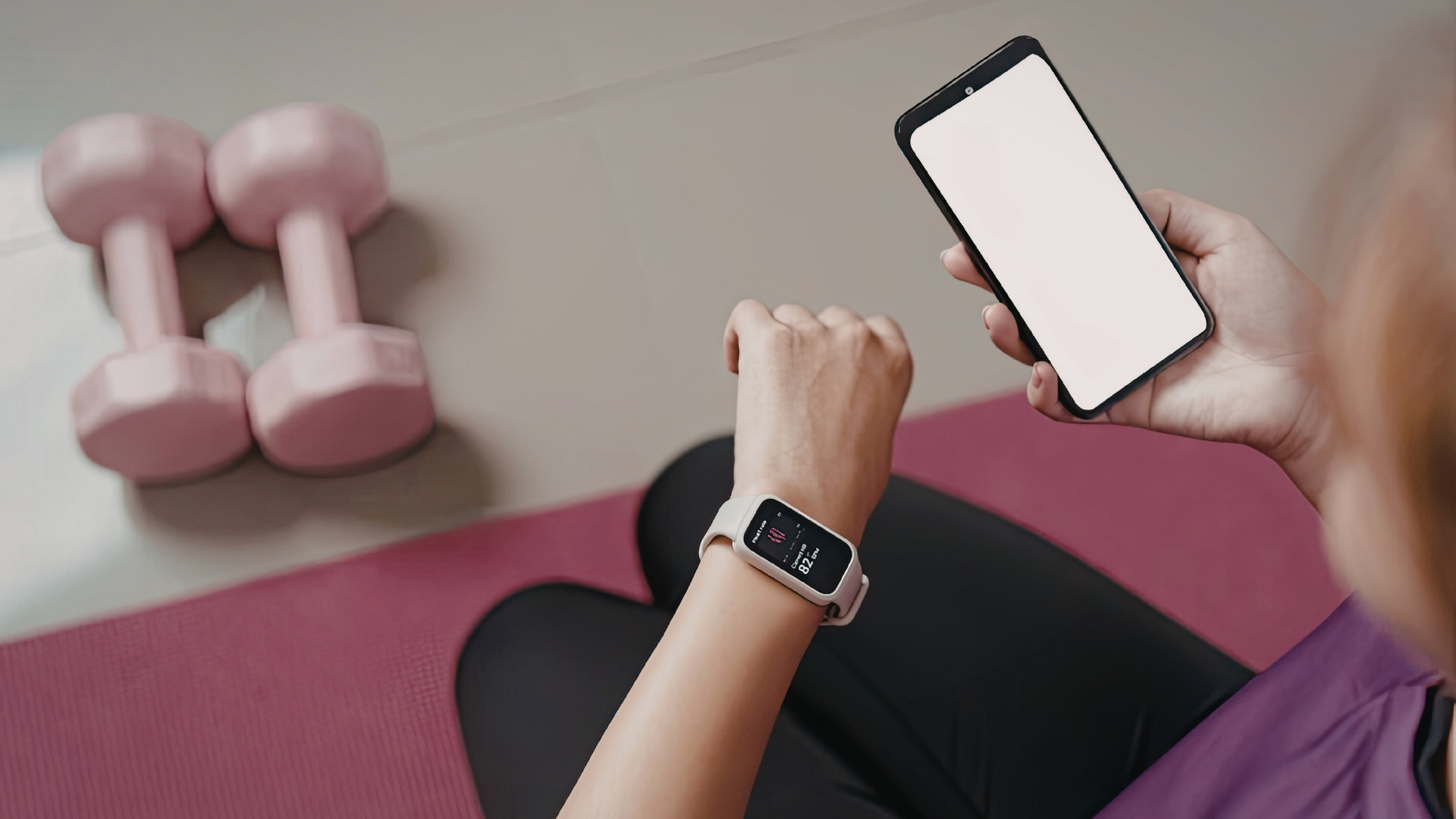
You want clear, practical answers about what wearable technology can actually track for your health and why that matters to your daily choices. Wearable devices typically monitor steps, heart rate, sleep stages, activity intensity, and sometimes blood oxygen and skin temperature; these measurements give useful, continuous insights but do not replace medical diagnosis or lab tests.
They also collect trends over time—fitness progress, sleep consistency, and unusual heart-rate patterns—which you can use to adjust habits or flag issues to a clinician. Later sections will explain how wearables measure these signals, what they do well, and where their limits lie.
What Wearable Technology Can Actually Track About Your Health
Wearables measure concrete, sensor-driven signals: movement, heart signals, breathing and oxygen levels, sleep patterns, and some biochemical markers. Accuracy varies by device, sensor placement, and intended use—consumer fitness trackers differ from regulated medical wearables.
Activity and Movement Tracking
Wearables use accelerometers and gyroscopes to count steps, detect activity type (walking, running, cycling), and estimate distance and calories burned. Fitness trackers and smartwatches like Fitbit, Garmin, Apple Watch, and Galaxy Watch apply step-detection algorithms and can flag meeting a target, such as 10,000 steps per day. Pedometers and smart rings (e.g., Oura, Whoop) offer similar metrics but differ in sensitivity and wrist vs. finger placement.
Devices also record posture changes, sedentary time, and stair climbs through vertical displacement sensors. More advanced systems embed multiple sensors or use smart clothing to measure gait, balance, and fall detection for older adults. Remote patient monitoring setups combine wearables with phone GPS to add contextual activity and location data.
Cardiovascular and Heart Health Metrics
Most smartwatches and fitness trackers provide continuous heart rate monitoring using photoplethysmography (PPG). They report resting heart rate, heart rate zones during exercise, and alerts for unusually high or low heart rates. Heart rate variability (HRV) appears on many devices as a stress and recovery proxy; accuracy is best at rest and varies across brands and firmware.
Some wearables include single-lead electrocardiogram (ECG/EKG) features (Apple Watch, certain Fitbit models, KardiaMobile) to detect atrial fibrillation and other arrhythmias as a personal EKG. Pulse oximetry sensors estimate blood oxygen saturation (SpO2) but are not as precise as medical pulse oximeters. A few devices and cuffs measure or estimate blood pressure; clinical-grade accuracy generally requires cuff-based monitors or validated wearable blood pressure devices.
Sleep Quality Monitoring
Wearables infer sleep stages (light, deep, REM) by combining motion data, heart rate patterns, HRV, and sometimes skin temperature or SpO2. Devices like the Oura Ring and many smartwatches score sleep duration, sleep efficiency, and time in restorative deep sleep versus REM. Algorithms identify sleep onset and wake times, and flag interruptions.
Deep sleep detection correlates best with reduced motion and lower heart rate; however, stage classification remains an estimate compared with polysomnography. Sleep trackers can identify snoring or breathing irregularities when paired with microphones or SpO2 dips, but diagnosing sleep apnea requires clinical testing such as an overnight sleep study or validated home sleep apnea tests.
Clinical and Medical Data Tracking
Regulated wearable medical devices collect data intended for diagnosis or clinical use: continuous glucose monitors (CGMs) for diabetes management, prescription-grade ECGs, and validated blood pressure monitors. CGM devices transmit interstitial glucose trends continuously and integrate with insulin dosing tools and remote patient monitoring platforms. They differ from consumer breath or sweat sensors that remain experimental.
Remote patient monitoring systems combine wearable sensors, like medical-grade heart monitors and fall detectors, with clinician dashboards for chronic disease management. Hearing aids and implantable devices track auditory function and assistive listening metrics. Wearable medical devices require regulatory clearance (FDA, CE) for clinical claims; consumer smartwatches and fitness trackers primarily support wellness and activity tracking rather than definitive diagnosis.